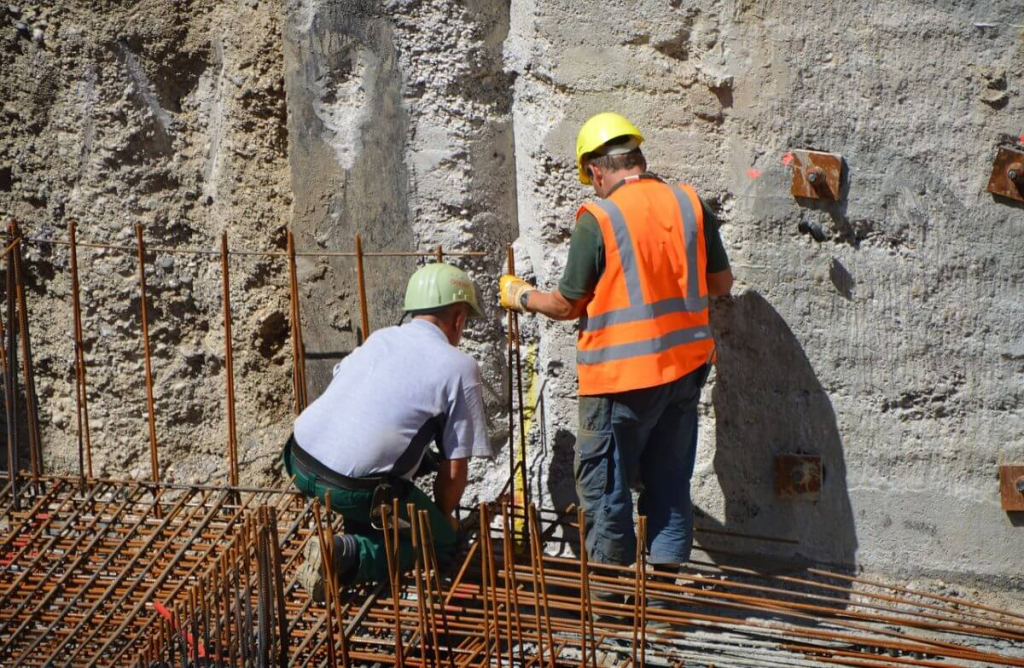
Concrete contractors play a crucial role in the construction industry by delivering durable, stable, and long-lasting structures for residential, commercial, and industrial projects. The keyword “concrete contractors” refers to skilled professionals who specialize in mixing, pouring, shaping, and finishing concrete for a wide range of applications. From driveways and sidewalks to foundations and large-scale infrastructure, concrete contractors ensure that every structure starts with a solid base.
One of the primary responsibilities of concrete contractors is foundation work. A strong foundation is essential for any building, as it supports the entire structure and ensures long-term stability. Concrete contractors carefully prepare the site, set forms, and pour concrete according to engineering specifications. Proper curing and leveling are critical steps that help prevent cracks, shifting, or structural weaknesses over time.
Concrete contractors are also commonly hired for driveway installation. A well-constructed concrete driveway provides durability, low maintenance, and a clean, professional appearance. Unlike gravel or asphalt, concrete driveways can withstand heavy loads and harsh weather conditions. Contractors often offer decorative options such as stamped or colored concrete to enhance curb appeal and customize the design.
Sidewalks and walkways are another important area of expertise for concrete contractors. Safe and properly installed walkways improve accessibility and enhance the overall appearance of residential and commercial properties. Contractors ensure that surfaces are level, slip-resistant, and compliant with local building codes, reducing the risk of accidents and long-term damage.
In addition to basic flatwork, concrete contractors often handle more complex projects such as retaining walls, patios, and stairs. Retaining walls help manage soil erosion and create usable outdoor space on sloped properties. Patios provide outdoor living areas that are both functional and visually appealing. Concrete stairs must be carefully constructed to ensure safety, durability, and proper alignment.
Commercial and industrial projects also rely heavily on concrete contractors. Large buildings, warehouses, parking lots, and infrastructure projects require precise planning and execution. Contractors must manage large volumes of concrete, coordinate with engineers, and ensure compliance with strict safety and quality standards. These projects often require advanced equipment and specialized expertise.
One of the key advantages of working with concrete contractors is their knowledge of material selection and mix design. Different projects require different types of concrete mixtures based on strength, durability, and environmental conditions. Contractors understand how to adjust mixtures to achieve optimal performance for each specific application.
Proper finishing techniques are another important aspect of concrete work. Concrete contractors use tools such as trowels, screeds, and floats to create smooth or textured surfaces depending on the project requirements. Finishing not only improves appearance but also enhances durability and resistance to wear and weather conditions.
Curing is a critical stage in concrete construction. Concrete contractors ensure that newly poured concrete is properly cured to achieve maximum strength. This process involves maintaining the right moisture and temperature conditions over time. Improper curing can lead to cracks, reduced durability, and structural issues.
Maintenance and repair services are also commonly offered by concrete contractors. Over time, concrete surfaces may develop cracks, chips, or surface wear due to weather exposure and heavy use. Contractors can repair damaged areas, resurface old concrete, and apply sealants to extend the life of existing structures.
Modern concrete contractors often incorporate advanced techniques and materials into their work. Innovations such as fiber-reinforced concrete, decorative stamping, and polished concrete floors have expanded design possibilities. These modern solutions allow property owners to combine strength with aesthetic appeal.
Safety is a top priority for concrete contractors. Working with heavy materials, machinery, and construction sites requires strict adherence to safety protocols. Contractors must follow building codes, wear protective equipment, and ensure that all work is performed in a safe and controlled environment.
Choosing the right concrete contractor is essential for project success. Property owners should consider experience, licensing, reputation, and previous project quality when making a selection. A skilled contractor ensures that the project is completed on time, within budget, and to high-quality standards.
In conclusion, concrete contractors are essential professionals in the construction industry who provide the expertise needed to build strong, durable, and reliable structures. The keyword “concrete contractors” represents a wide range of services that support residential, commercial, and industrial development. From foundations and driveways to large-scale infrastructure, concrete contractors ensure that every project is built on a solid and lasting foundation.