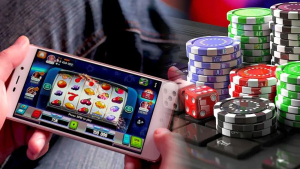
As the gaming industry enters the second quarter of 2026, the focus has shifted from mere functionality to the psychological and sensory “slot” environment. Operators and developers are no longer just making games; they are crafting holistic experiences that leverage hardware, software, and human behavior to create deep engagement.
The Hardware Evolution: 4K Curves and Haptics
In land-based casinos, the traditional “box” cabinet has been replaced by immersive, portrait-oriented J-Curve 4K screens. These tall, curved displays provide a cinematic field of vision that wraps around the player, making the digital world feel expansive.
Supporting these visuals is a new standard for sensory feedback. Haptic chairs and directional sound systems now synchronize with on-screen events. For instance, a “big win” doesn’t just display text; the chair vibrates with the rhythm of the soundtrack, and the audio utilizes 3D positioning to make it feel as though coins are raining down from above. This multi-sensory approach is designed to trigger a more emotional response, making each session more memorable.
Real-Time Personalization and AI Agents
The “lobby” of a 2026 gaming app is no longer a static list of titles. Instead, AI-powered personalization engines act as concierge agents. These systems analyze real-time session data—such as play speed, bet sizes, and engagement with bonus features—to adapt the experience instantly.
- Contextual Suggestions: If you typically play high-volatility mythology games on Friday nights, the AI will prioritize those titles as the weekend approaches.
- Dynamic Interventions: For responsible gaming, AI agents can now provide “reality checks” or suggest a lower-volatility game if it detects a rapid change in play patterns, ensuring the experience remains within healthy limits.
The Gamification of Loyalty
Loyalty programs have moved beyond simple point-collection systems. In 2026, the slot experience is heavily gamified:
- Unlockable Narrative Content: Players earn “experience points” (XP) that unlock new chapters in a game’s story or exclusive cosmetic themes.
- Community Challenges: “Shared” progress bars allow groups of players to work toward a common goal, such as triggering a community-wide bonus round or a “mystery” drop.
- Badges and Achievements: Just like in modern video games, players can earn digital trophies for hitting specific milestones, adding a layer of non-monetary satisfaction to the gameplay.
High-Tech Themes: “Mood-Based” Design
Theme design in 2026 has become more sophisticated, moving away from cluttered visuals toward “mood-based” aesthetics.
- Modern Sci-Fi: These slots use neon-lit, atmospheric landscapes that are “easier on the eyes,” focusing on clarity and pacing rather than overwhelming sensory input.
- Nature-Focused Relaxation: A growing segment of the market focuses on wildlife and natural environments, using 5G technology to stream high-fidelity, tranquil backgrounds that turn a slot session into a more meditative experience.
- Hyper-Realistic Adventure: Using advanced rendering engines like WebGL, adventure slots now feature protagonists that develop throughout the session, creating a sense of progression similar to an RPG.
Conclusion: A Seamless Convergence
The defining characteristic of the 2026 slot industry is omnichannel convergence. Whether a player is sitting in a haptic chair on a casino floor or using a mobile device on a 5G network, the progress, loyalty rewards, and narrative state remain consistent across all platforms. By merging high-end hardware with intelligent software and a focus on player well-being, the slot has evolved into a centerpiece of modern, data-driven entertainment.